AJSC 2026 Speakers
A distinguished lineup of world-class researchers, innovators, and health leaders sharing their vision for Africa's health future.
Keynote & Invited Speakers
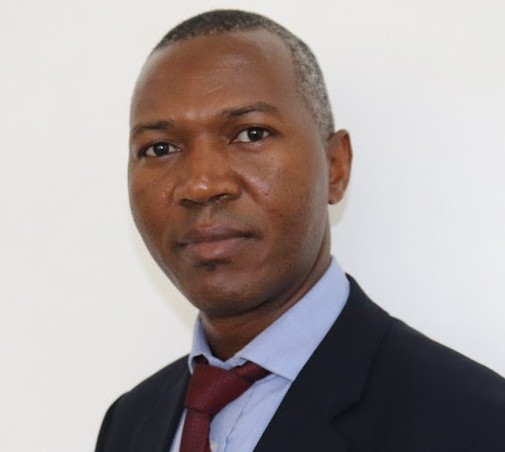
Amos Nungu
Director General
Tanzania Commission for Science and Technology (COSTECH),
Dr. Amos Muhunda Nungu is the Director General of the Tanzania Commission for Science and Technology (COSTECH), the principal advisory body to the government on all matters related to science, technology, and innovation. Prior to joining COSTECH, Dr. Nungu served as the Assistant Director of the Directorate of Science, Technology, and Innovation at the Ministry of Education, Science and Technology in Tanzania. Before that, he was a Senior Lecturer at the Dar es Salaam Institute of Technology, where he initiated, managed, and participated in numerous projects, including those funded by the European Union (FP7 & H2020), the Swedish International Development Cooperation Agency (SIDA), and the Norwegian Agency for Development Cooperation (NORAD). Dr. Nungu has served - and continues to serve - as a board member for various institutions. He is currently a board member of the Tanzania Atomic Energy Commission (TAEC) and the East African Science and Technology Commission (EASTECO). In November 2021, he was elected as the 2nd Vice Chair (Innovation) of the II Bureau of the African Scientific Research and Innovation Council (ASRIC) under the African Union. In May 2025, he was elected as a Governing Board Member of the Global Research Council (GRC) – a virtual organisation, comprised of the heads of science and engineering funding agencies from around the world, dedicated to promote the sharing of data and best practices for high-quality collaboration among funding agencies worldwide. This is a 3 years term, renewed once. Dr. Nungu holds a Ph.D. and an M.Sc. in Information Technology (Communication Systems) from the Royal Institute of Technology (KTH) in Sweden, as well as a B.Sc. in Computer Science from the University of Dar es Salaam, Tanzania.
Dr. Amos Muhunda Nungu is the Director General of the Tanzania Commission for Science and Technology (COSTECH), the principal advisory body to the government on all matters related to science, technology, and innovation. Prior to joining COSTECH, Dr. Nungu served as the Assistant Director of the Directorate of Science, Technology, and Innovation at the Ministry of Education, Science and Technology in Tanzania. Before that, he was a Senior Lecturer at the Dar es Salaam Institute of Technology, where he initiated, managed, and participated in numerous projects, including those funded by the European Union (FP7 & H2020), the Swedish International Development Cooperation Agency (SIDA), and the Norwegian Agency for Development Cooperation (NORAD). Dr. Nungu has served - and continues to serve - as a board member for various institutions. He is currently a board member of the Tanzania Atomic Energy Commission (TAEC) and the East African Science and Technology Commission (EASTECO). In November 2021, he was elected as the 2nd Vice Chair (Innovation) of the II Bureau of the African Scientific Research and Innovation Council (ASRIC) under the African Union. In May 2025, he was elected as a Governing Board Member of the Global Research Council (GRC) – a virtual organisation, comprised of the heads of science and engineering funding agencies from around the world, dedicated to promote the sharing of data and best practices for high-quality collaboration among funding agencies worldwide. This is a 3 years term, renewed once. Dr. Nungu holds a Ph.D. and an M.Sc. in Information Technology (Communication Systems) from the Royal Institute of Technology (KTH) in Sweden, as well as a B.Sc. in Computer Science from the University of Dar es Salaam, Tanzania.

Bashir Haroon
Managing Director of Shifaa
Pan African Hospital
Mr. Bashir Haroon is a distinguished healthcare investor, industry leader, and strategic thinker with more than four decades of executive leadership experience spanning healthcare, pharmaceuticals, and industrial development. As the Founder and Managing Director of Shifaa Pan African Hospital, he has played a pioneering role in advancing tertiary healthcare delivery in Tanzania by promoting internationally aligned standards in specialist care, diagnostics, and healthcare infrastructure. His leadership reflects a broader vision of healthcare transformation that positions strong institutions, local innovation, and long-term investment as central pillars of national development and health security. He has made significant contributions to pharmaceutical manufacturing and health systems strengthening through strategic investments aimed at enhancing medicine security and reducing import dependency in Tanzania and the wider region. He currently serves as Chairman of the Tanzania Pharmaceutical Manufacturers Association (TPMA), Trustee of the Pharmaceutical Society of Tanzania (PST), and Member of the UDOM Industrial Advisory Committee, where he actively promotes collaboration between industry, academia, and policymakers. Widely recognized for advocating sustainable private-sector engagement in healthcare, his work continues to support Tanzania’s ambitions in pharmaceutical self-reliance, medical excellence, and resilient health systems aligned with long-term national development goals.
Mr. Bashir Haroon is a distinguished healthcare investor, industry leader, and strategic thinker with more than four decades of executive leadership experience spanning healthcare, pharmaceuticals, and industrial development. As the Founder and Managing Director of Shifaa Pan African Hospital, he has played a pioneering role in advancing tertiary healthcare delivery in Tanzania by promoting internationally aligned standards in specialist care, diagnostics, and healthcare infrastructure. His leadership reflects a broader vision of healthcare transformation that positions strong institutions, local innovation, and long-term investment as central pillars of national development and health security. He has made significant contributions to pharmaceutical manufacturing and health systems strengthening through strategic investments aimed at enhancing medicine security and reducing import dependency in Tanzania and the wider region. He currently serves as Chairman of the Tanzania Pharmaceutical Manufacturers Association (TPMA), Trustee of the Pharmaceutical Society of Tanzania (PST), and Member of the UDOM Industrial Advisory Committee, where he actively promotes collaboration between industry, academia, and policymakers. Widely recognized for advocating sustainable private-sector engagement in healthcare, his work continues to support Tanzania’s ambitions in pharmaceutical self-reliance, medical excellence, and resilient health systems aligned with long-term national development goals.
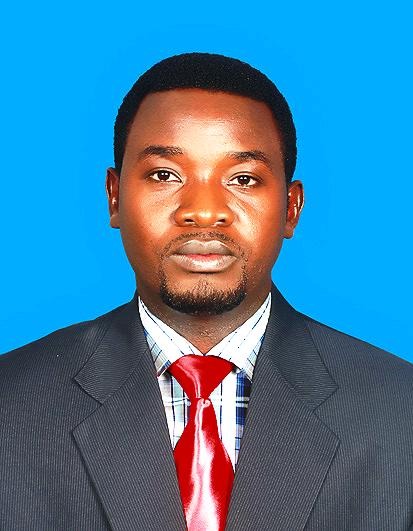
Benson Mcheza Kateihwa
Senior Pharmacist, Senior Drug Inspector, Public Health Specialist and GMP Inspector
Tanzania Medicines and Medical Devices Authority (TMDA)
Mr. Benson Mcheza Kateihwa is a Senior Pharmacist, Senior Drug Inspector, Public Health Specialist and GMP Inspector at the Tanzania Medicines and Medical Devices Authority (TMDA) Northern Zone with over 14 years of experience in pharmaceutical regulation, quality assurance, pharmacovigilance, and public health. He has participated extensively in GMP inspections, quality audits and pharmaceutical regulatory activities both nationally and internationally including inspections of manufacturing facilities in Tanzania, India, China and Indonesia and WHO-related trainings in Morocco and South Africa. Mr. Kateihwa holds a Master’s degree in Life Sciences (Global Health and Biomedical Sciences) from the Nelson Mandela African Institution of Science and Technology and a Bachelor of Pharmacy from Rajiv Gandhi University of Health Sciences, India.
Mr. Benson Mcheza Kateihwa is a Senior Pharmacist, Senior Drug Inspector, Public Health Specialist and GMP Inspector at the Tanzania Medicines and Medical Devices Authority (TMDA) Northern Zone with over 14 years of experience in pharmaceutical regulation, quality assurance, pharmacovigilance, and public health. He has participated extensively in GMP inspections, quality audits and pharmaceutical regulatory activities both nationally and internationally including inspections of manufacturing facilities in Tanzania, India, China and Indonesia and WHO-related trainings in Morocco and South Africa. Mr. Kateihwa holds a Master’s degree in Life Sciences (Global Health and Biomedical Sciences) from the Nelson Mandela African Institution of Science and Technology and a Bachelor of Pharmacy from Rajiv Gandhi University of Health Sciences, India.

George Mugambage Ruhago
Associate Professor of Health Economics
Muhimbili University of Health and Allied Sciences (MUHAS)
George Mugambage Ruhago, PhD, is Associate Professor of Health Economics at Muhimbili University of Health and Allied Sciences (MUHAS), Dar es Salaam, Tanzania. He earned his PhD in Health Economics from the University of Bergen, Norway (2015, He has further pursued specialised training at the University of York, the University of Geneva, and the University of Oxford in health economics, cost-effectiveness analysis, systematic review methods, and health and human rights. His research programme focuses on economic evaluation of health interventions, health financing reform, supply chain costing, equity impact analysis, and priority setting for universal health coverage. He has been a collaborator with the Institute for Health Metrics and Evaluation (IHME) on the Global Burden of Disease Study since 2014 and is co-author on landmark publications in The Lancet covering global mortality, DALYs, and life expectancy. His broader portfolio of more than fourty peer-reviewed articles spans HIV drug resistance, sickle cell disease economics, maternal and child health, direct health facility financing, and results-based financing in Tanzania. Prof. Ruhago has served as lead consultant or subject-matter expert on engagements for UNAIDS, USAID, the Global Fund, UNICEF, UNFPA, the World Bank, the Guttmacher Institute, and the Government of Tanzania. He has led national-level work on Tanzania's HIV Sustainability Roadmap, health commodity financing, supply chain efficiency reviews in Tanzania, Ethiopia, Malawi, and Zanzibar, and the costing of HIV, tuberculosis, malaria, sickle cell, and maternal health services. At MUHAS he teaches applied economic evaluation, health financing, equity impact analysis, health technology assessment, and monitoring and evaluation, and has supervised more than forty postgraduate dissertations
George Mugambage Ruhago, PhD, is Associate Professor of Health Economics at Muhimbili University of Health and Allied Sciences (MUHAS), Dar es Salaam, Tanzania. He earned his PhD in Health Economics from the University of Bergen, Norway (2015, He has further pursued specialised training at the University of York, the University of Geneva, and the University of Oxford in health economics, cost-effectiveness analysis, systematic review methods, and health and human rights. His research programme focuses on economic evaluation of health interventions, health financing reform, supply chain costing, equity impact analysis, and priority setting for universal health coverage. He has been a collaborator with the Institute for Health Metrics and Evaluation (IHME) on the Global Burden of Disease Study since 2014 and is co-author on landmark publications in The Lancet covering global mortality, DALYs, and life expectancy. His broader portfolio of more than fourty peer-reviewed articles spans HIV drug resistance, sickle cell disease economics, maternal and child health, direct health facility financing, and results-based financing in Tanzania. Prof. Ruhago has served as lead consultant or subject-matter expert on engagements for UNAIDS, USAID, the Global Fund, UNICEF, UNFPA, the World Bank, the Guttmacher Institute, and the Government of Tanzania. He has led national-level work on Tanzania's HIV Sustainability Roadmap, health commodity financing, supply chain efficiency reviews in Tanzania, Ethiopia, Malawi, and Zanzibar, and the costing of HIV, tuberculosis, malaria, sickle cell, and maternal health services. At MUHAS he teaches applied economic evaluation, health financing, equity impact analysis, health technology assessment, and monitoring and evaluation, and has supervised more than forty postgraduate dissertations

George PrayGod
Chief Research Scientist
National Institute for Medical Research
Dr. George PrayGod is a Chief Research Scientist at the National Institute for Medical Research (NIMR), Tanzania, and a distinguished clinical epidemiologist with extensive experience in public health research, nutrition, infectious diseases, and non-communicable diseases. He holds a Doctor of Medicine (MD) degree, a Master of Science in Epidemiology and Biostatistics from the University of the Witwatersrand, South Africa, and a PhD in International Nutrition and Health from the University of Copenhagen, Denmark. Over the course of his career, he has led and contributed to numerous national and international research initiatives addressing HIV/AIDS, tuberculosis, diabetes, nutrition, and health systems strengthening, generating evidence that has informed policy and practice in Tanzania and beyond. Dr. PrayGod has successfully secured and managed major research grants from leading international funding agencies, including DANIDA, EDCTP, the UK Medical Research Council, USAID, and TB Alliance. He has served in several senior leadership positions within NIMR and has authored more than 80 peer-reviewed scientific publications. In addition to his research leadership, he is actively involved in mentoring young scientists and postgraduate students, contributing significantly to research capacity development in Tanzania. His work continues to advance evidence-based healthcare, scientific innovation, and the strengthening of health research systems across Africa.
Dr. George PrayGod is a Chief Research Scientist at the National Institute for Medical Research (NIMR), Tanzania, and a distinguished clinical epidemiologist with extensive experience in public health research, nutrition, infectious diseases, and non-communicable diseases. He holds a Doctor of Medicine (MD) degree, a Master of Science in Epidemiology and Biostatistics from the University of the Witwatersrand, South Africa, and a PhD in International Nutrition and Health from the University of Copenhagen, Denmark. Over the course of his career, he has led and contributed to numerous national and international research initiatives addressing HIV/AIDS, tuberculosis, diabetes, nutrition, and health systems strengthening, generating evidence that has informed policy and practice in Tanzania and beyond. Dr. PrayGod has successfully secured and managed major research grants from leading international funding agencies, including DANIDA, EDCTP, the UK Medical Research Council, USAID, and TB Alliance. He has served in several senior leadership positions within NIMR and has authored more than 80 peer-reviewed scientific publications. In addition to his research leadership, he is actively involved in mentoring young scientists and postgraduate students, contributing significantly to research capacity development in Tanzania. His work continues to advance evidence-based healthcare, scientific innovation, and the strengthening of health research systems across Africa.

Gibson Kibiki
Executive Secretary
East African Health Research Commission (EAHRC)
Prof Gibson Kibiki, MD, M.Med, PhD, PG Dipl Endosc, is a retired professor of medicine, currently based in the United Kingdom. He served as a Professor of Medicine and Consultant Physician cum Endoscopist at KCMC University, Tanzania; Adjunct Professor of Medicine at Radboud University, The Netherlands; and Adjunct Professor of Global Health at the University of Virginia, United States of America. He is the Former CEO of the Africa Research Excellence Fund, London, United Kingdom; Former and Founding CEO of the East African Health Research Commission of the East African Community, Bujumbura, Burundi, and Former and Founding Director of Kilimanjaro Clinical Research Institute, Kilimanjaro, Tanzania.
Prof Gibson Kibiki, MD, M.Med, PhD, PG Dipl Endosc, is a retired professor of medicine, currently based in the United Kingdom. He served as a Professor of Medicine and Consultant Physician cum Endoscopist at KCMC University, Tanzania; Adjunct Professor of Medicine at Radboud University, The Netherlands; and Adjunct Professor of Global Health at the University of Virginia, United States of America. He is the Former CEO of the Africa Research Excellence Fund, London, United Kingdom; Former and Founding CEO of the East African Health Research Commission of the East African Community, Bujumbura, Burundi, and Former and Founding Director of Kilimanjaro Clinical Research Institute, Kilimanjaro, Tanzania.

Honorati Masanja
Chief Executive Director
Ifakara Health Institute
Dr. Honorati Masanja is the IHI sitting Chief Executive Director. His professional background is in statistics and epidemiology. He holds a PhD in Epidemiology and has extensive experience in data management, clinical trials, design, and evaluation of large maternal and child health programs. Dr. Masanja joined the Institute in 1992. He obtained his PhD in Epidemiology from the Swiss Tropical and Public Health Institute, University of Basel, in 2006. Over the last 25 years, he has led the successful acquisition and implementation of national and regional projects whose direct impact on strengthening Tanzania’s health system is still seen today. Having participated in the establishment of the Rufiji Health and Demographic Surveillance System (RHDSS), Dr. Masanja became the Principal Investigator for the SAVVY project from 2009–2014, a step in Tanzania’s shift towards evidence-based planning and enabling health-sector evaluation. Dr. Masanja’s scientific engagement spans across borders. Having published extensively in international journals and books, he is also an editorial reviewer for the MRC Joint Health Systems Research Initiative, and a member of Tanzania’s National eHealth Steering Committee and the Steering Committee for Monitoring and Evaluation. His experience in training post-doctoral, doctoral, and master's students in Tanzania led to his appointment in 2013 as an Adjunct Professor in the School of Life Sciences at the Nelson Mandela African Institution of Science and Technology.
Dr. Honorati Masanja is the IHI sitting Chief Executive Director. His professional background is in statistics and epidemiology. He holds a PhD in Epidemiology and has extensive experience in data management, clinical trials, design, and evaluation of large maternal and child health programs. Dr. Masanja joined the Institute in 1992. He obtained his PhD in Epidemiology from the Swiss Tropical and Public Health Institute, University of Basel, in 2006. Over the last 25 years, he has led the successful acquisition and implementation of national and regional projects whose direct impact on strengthening Tanzania’s health system is still seen today. Having participated in the establishment of the Rufiji Health and Demographic Surveillance System (RHDSS), Dr. Masanja became the Principal Investigator for the SAVVY project from 2009–2014, a step in Tanzania’s shift towards evidence-based planning and enabling health-sector evaluation. Dr. Masanja’s scientific engagement spans across borders. Having published extensively in international journals and books, he is also an editorial reviewer for the MRC Joint Health Systems Research Initiative, and a member of Tanzania’s National eHealth Steering Committee and the Steering Committee for Monitoring and Evaluation. His experience in training post-doctoral, doctoral, and master's students in Tanzania led to his appointment in 2013 as an Adjunct Professor in the School of Life Sciences at the Nelson Mandela African Institution of Science and Technology.

Irene Isaka
Director General
National Health Insurance Fund (NHIF)
Dr. Irene Charles Isaka is the Director General of the National Health Insurance Fund (NHIF) and a seasoned economist with extensive experience in health financing, social protection, pension reform, and public sector leadership. She holds a PhD in Economics from the University of Dar es Salaam and has previously served as Director of Social Sectors at the East African Community, Secretary General of the East and Central Africa Social Security Association (ECASSA), and founding Director General of the Social Security Regulatory Authority (SSRA). Throughout her career, she has played a key role in advancing social security reforms, regional policy harmonization, and sustainable financing systems aimed at improving health and social protection outcomes across Tanzania and the East African region.
Dr. Irene Charles Isaka is the Director General of the National Health Insurance Fund (NHIF) and a seasoned economist with extensive experience in health financing, social protection, pension reform, and public sector leadership. She holds a PhD in Economics from the University of Dar es Salaam and has previously served as Director of Social Sectors at the East African Community, Secretary General of the East and Central Africa Social Security Association (ECASSA), and founding Director General of the Social Security Regulatory Authority (SSRA). Throughout her career, she has played a key role in advancing social security reforms, regional policy harmonization, and sustainable financing systems aimed at improving health and social protection outcomes across Tanzania and the East African region.

Kijakazi Mashoto
Principal Research Officer
National Institute for Medical Research
Kijakazi Obed Mashoto is a Public Health Consultant and Certified Technology and Innovation Support Officer. She serve as Principal Research Officer at the National Institute for Medical Research
Kijakazi Obed Mashoto is a Public Health Consultant and Certified Technology and Innovation Support Officer. She serve as Principal Research Officer at the National Institute for Medical Research

Ladslaus Laurent Mnyone
public health scientist, academic leader and Science, Technology and Innovation (STI) strategist
Prof. Ladslaus Laurent Mnyone is a public health scientist, academic leader and Science, Technology and Innovation (STI) strategist with over two decades of experience in research, policy development and institutional transformation. He holds a PhD in Medical Entomology from Wageningen University in the Netherlands, a Master of Preventive Veterinary Medicine and a Bachelor of Veterinary Medicine from Sokoine University of Agriculture. His expertise spans infectious diseases, disease vector control, zoonotic diseases and translational research. Prof. Mnyone has accumulated nearly 12 years of leadership experience, including service as Deputy Director and Director of the Sokoine University of Agriculture Pest Management. Centre, approximately two years as Assistant Director for Research and Development, and nearly four years as Director of Science, Technology and Innovation in the Ministry of Education, Science and Technology. In his current role, he has contributed to the development of major national initiatives, including the National Technology Roadmap 2050, the National STI Masterplan, the National STI Financing and Incentivization Strategy, the National Diaspora Engagement Strategy and the National Digital Education Strategy. He serves on more than six national boards, councils and committees and has published over 60 scientific articles in peer-reviewed journals. His work is dedicated to advancing research and development and STI as key drivers of Tanzania Development Vision 2050 and the country's broader socio-economic transformation.
Prof. Ladslaus Laurent Mnyone is a public health scientist, academic leader and Science, Technology and Innovation (STI) strategist with over two decades of experience in research, policy development and institutional transformation. He holds a PhD in Medical Entomology from Wageningen University in the Netherlands, a Master of Preventive Veterinary Medicine and a Bachelor of Veterinary Medicine from Sokoine University of Agriculture. His expertise spans infectious diseases, disease vector control, zoonotic diseases and translational research. Prof. Mnyone has accumulated nearly 12 years of leadership experience, including service as Deputy Director and Director of the Sokoine University of Agriculture Pest Management. Centre, approximately two years as Assistant Director for Research and Development, and nearly four years as Director of Science, Technology and Innovation in the Ministry of Education, Science and Technology. In his current role, he has contributed to the development of major national initiatives, including the National Technology Roadmap 2050, the National STI Masterplan, the National STI Financing and Incentivization Strategy, the National Diaspora Engagement Strategy and the National Digital Education Strategy. He serves on more than six national boards, councils and committees and has published over 60 scientific articles in peer-reviewed journals. His work is dedicated to advancing research and development and STI as key drivers of Tanzania Development Vision 2050 and the country's broader socio-economic transformation.
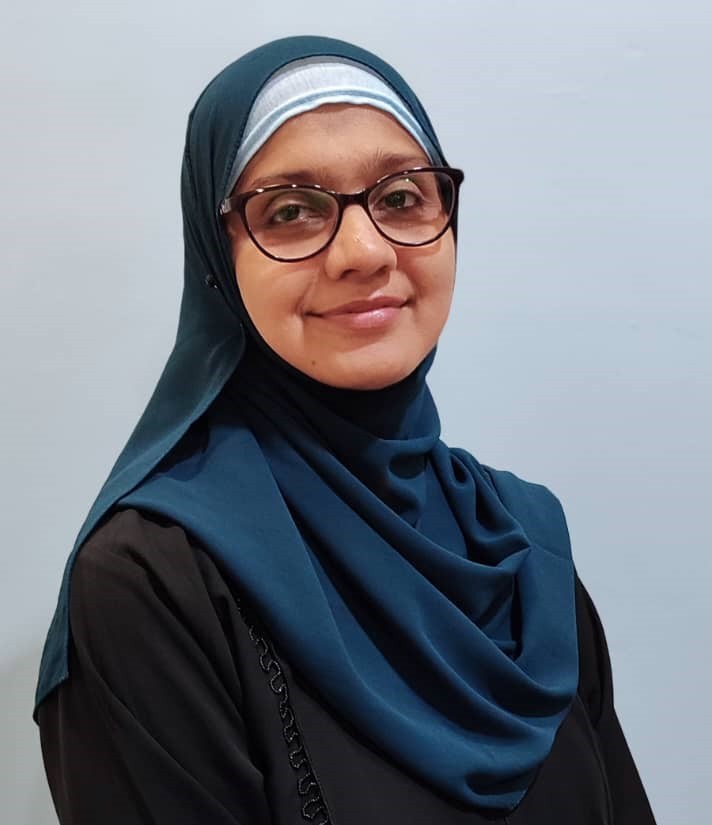
Mariam Noorani
head of research and the Chair of Department of Paediatrics
Aga Khan University (AKU) and Aga Khan Health Service, Tanzania (AKHST)
Dr. Mariam Noorani is the head of research and the Chair of Department of Paediatrics at the Aga Khan University (AKU) and Aga Khan Health Service, Tanzania (AKHST). She is a paediatrician and International Board Certified Lactation Consultant (IBCLC) and holds a Master’s degree in Medical Education from the University of Edinburgh. She is also a Senior Fellow of the Higher Education Academy (SFHEA) and is a research fellow with the Aga Khan University Institute of Global Health and Development (IGHD) Women in Science Program. She is the founding chair of the Department of Paediatrics at AKU in Tanzania where she established the residency training program. Under her leadership, the Department has expanded into a comprehensive unit providing the highest standards of care to sick children, including a well-established neonatal unit caring for sick and premature newborns. In an effort to improve care for children in Tanzania, she led the way to establish a Master’s program to train paediatricians at the Aga Khan University which has now graduated its first group of trainees. Her passion is in supporting, promoting and advocating for breastfeeding as the optimal nutrition for all babies. Her work as a lactation consultant has led to the establishment of breastfeeding clinics and she was recently awarded a grant from the American Academy of Paediatrics through which community level breastfeeding support groups are being established in partnership with the local governments. She actively supports working women to continue exclusive breastfeeding upon return to work and advocates for their rights in the workplace. Her leadership in this area has led to the development of a short course to strengthen lactation support skills of health workers. She has developed partnerships with schools and communities to promote child health and nutrition and works with adolescents on healthy behaviours and lifestyles. She has also championed the cause for children with rare diseases in Tanzania and is a board member of the Ali Kimara Rare Disease Foundation (AKRDF) and the Tanzania Human Genetics Organisation (THGO). She leads the first aid program that aims to train parents, teachers and caregivers about childhood emergencies and first aid responses that can save the lives of children Dr. Mariam is actively involved in research and has published several papers and supervised many young researchers in their research work. She was awarded a grant to strengthen research capacity through which many doctors and nurses were trained in advancing their research skills. Her vision is to work with partners to establish a centre of excellence for child health that will engage in clinical care, research and training to improve the health and well-being of children in Tanzania.
Dr. Mariam Noorani is the head of research and the Chair of Department of Paediatrics at the Aga Khan University (AKU) and Aga Khan Health Service, Tanzania (AKHST). She is a paediatrician and International Board Certified Lactation Consultant (IBCLC) and holds a Master’s degree in Medical Education from the University of Edinburgh. She is also a Senior Fellow of the Higher Education Academy (SFHEA) and is a research fellow with the Aga Khan University Institute of Global Health and Development (IGHD) Women in Science Program. She is the founding chair of the Department of Paediatrics at AKU in Tanzania where she established the residency training program. Under her leadership, the Department has expanded into a comprehensive unit providing the highest standards of care to sick children, including a well-established neonatal unit caring for sick and premature newborns. In an effort to improve care for children in Tanzania, she led the way to establish a Master’s program to train paediatricians at the Aga Khan University which has now graduated its first group of trainees. Her passion is in supporting, promoting and advocating for breastfeeding as the optimal nutrition for all babies. Her work as a lactation consultant has led to the establishment of breastfeeding clinics and she was recently awarded a grant from the American Academy of Paediatrics through which community level breastfeeding support groups are being established in partnership with the local governments. She actively supports working women to continue exclusive breastfeeding upon return to work and advocates for their rights in the workplace. Her leadership in this area has led to the development of a short course to strengthen lactation support skills of health workers. She has developed partnerships with schools and communities to promote child health and nutrition and works with adolescents on healthy behaviours and lifestyles. She has also championed the cause for children with rare diseases in Tanzania and is a board member of the Ali Kimara Rare Disease Foundation (AKRDF) and the Tanzania Human Genetics Organisation (THGO). She leads the first aid program that aims to train parents, teachers and caregivers about childhood emergencies and first aid responses that can save the lives of children Dr. Mariam is actively involved in research and has published several papers and supervised many young researchers in their research work. She was awarded a grant to strengthen research capacity through which many doctors and nurses were trained in advancing their research skills. Her vision is to work with partners to establish a centre of excellence for child health that will engage in clinical care, research and training to improve the health and well-being of children in Tanzania.
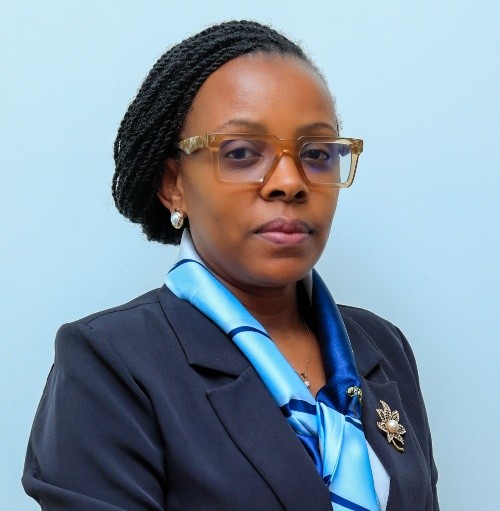
Mary Mayige
Principal Research Officer and Director of Research Information and Regulatory Affairs
National Institute for Medical Research (NIMR).
Dr Mary Mayige is a Principal Research Officer and Director of Research Information and Regulatory Affairs at the National Institute for Medical Research (NIMR). A graduate of Makerere University, (MBchB), Muhimbili University of Health and Allied Sciences (MPH), and Newcastle University (PhD), as well as additional professional training from institutions in Tanzania and abroad. Her work spans research, clinical practice, and consultancy, with a focus on non-communicable diseases and their interaction with infectious diseases, particularly HIV. She has led major national and international research initiatives, including the STEPs Surveys of NCD risk factors, Tanzania NCDI, and PEN PLUS, and has contributed to key national policy documents such as the National Non-Communicable Diseases Strategic Plans, the National Multi-Sectoral Nutrition Action Plan II, and the Health Sector Strategic Plan V. Dr Mayige has also held several leadership and advisory roles in professional and national bodies, serves as a visiting lecturer and postgraduate supervisor, and has authored numerous peer-reviewed publications.
Dr Mary Mayige is a Principal Research Officer and Director of Research Information and Regulatory Affairs at the National Institute for Medical Research (NIMR). A graduate of Makerere University, (MBchB), Muhimbili University of Health and Allied Sciences (MPH), and Newcastle University (PhD), as well as additional professional training from institutions in Tanzania and abroad. Her work spans research, clinical practice, and consultancy, with a focus on non-communicable diseases and their interaction with infectious diseases, particularly HIV. She has led major national and international research initiatives, including the STEPs Surveys of NCD risk factors, Tanzania NCDI, and PEN PLUS, and has contributed to key national policy documents such as the National Non-Communicable Diseases Strategic Plans, the National Multi-Sectoral Nutrition Action Plan II, and the Health Sector Strategic Plan V. Dr Mayige has also held several leadership and advisory roles in professional and national bodies, serves as a visiting lecturer and postgraduate supervisor, and has authored numerous peer-reviewed publications.

Mary Mwanyika Sando
Chief Executive Officer
Africa Academy for Public Health (AAPH)
Dr. Mary Mwanyika Sando is the Chief Executive Officer of the Africa Academy for Public Health (AAPH), a leading African institution dedicated to advancing public health research, implementation science, leadership development, and evidence-informed policymaking. A medical doctor by training, she holds a Doctor of Medicine (MD) degree from the University of Dar es Salaam and a Master of Public Health (MPH) in Global Health and Population from Harvard T.H. Chan School of Public Health. With nearly two decades of experience in public health, she has held senior technical and leadership positions with organizations including UNICEF and Management and Development for Health (MDH), leading programmes in maternal, newborn, child and adolescent health, nutrition, mental health, and health systems strengthening. At AAPH, she spearheads initiatives that bridge research, policy, and practice across Africa, while co-leading the Africa Research Implementation Science and Education (ARISE) Network in partnership with Harvard University, connecting more than 20 institutions across 10 sub-Saharan African countries. Dr. Sando is also the President of the Medical Women Association of Tanzania (MEWATA) and serves on international advisory boards, including the Charité Center for Global Health and The Lancet Regional Health – Africa. Widely recognized for her commitment to strengthening African scientific leadership and translating evidence into impact, she is a respected voice in public health, implementation science, capacity building, and health systems transformation across the continent.
Dr. Mary Mwanyika Sando is the Chief Executive Officer of the Africa Academy for Public Health (AAPH), a leading African institution dedicated to advancing public health research, implementation science, leadership development, and evidence-informed policymaking. A medical doctor by training, she holds a Doctor of Medicine (MD) degree from the University of Dar es Salaam and a Master of Public Health (MPH) in Global Health and Population from Harvard T.H. Chan School of Public Health. With nearly two decades of experience in public health, she has held senior technical and leadership positions with organizations including UNICEF and Management and Development for Health (MDH), leading programmes in maternal, newborn, child and adolescent health, nutrition, mental health, and health systems strengthening. At AAPH, she spearheads initiatives that bridge research, policy, and practice across Africa, while co-leading the Africa Research Implementation Science and Education (ARISE) Network in partnership with Harvard University, connecting more than 20 institutions across 10 sub-Saharan African countries. Dr. Sando is also the President of the Medical Women Association of Tanzania (MEWATA) and serves on international advisory boards, including the Charité Center for Global Health and The Lancet Regional Health – Africa. Widely recognized for her commitment to strengthening African scientific leadership and translating evidence into impact, she is a respected voice in public health, implementation science, capacity building, and health systems transformation across the continent.

Mosoka Fallah
Director of the Science and Innovation Directorate
Disease Control and Prevention (Africa CDC)
Dr. Mosoka Fallah serves as Director of the Science and Innovation Directorate at the Africa Centres for Disease Control and Prevention (Africa CDC), where he leads efforts to strengthen health security, research, and innovation across Africa. A globally recognized public health expert, immunologist, and epidemiologist, he played a pivotal role in Liberia’s Ebola response and previously served as Director General of the National Public Health Institute of Liberia (NPHIL). Dr. Fallah is widely known for advancing Africa-led research, clinical trials, local manufacturing of medical products, and strategic partnerships that enhance the continent’s capacity to prevent and respond to emerging health threats.
Dr. Mosoka Fallah serves as Director of the Science and Innovation Directorate at the Africa Centres for Disease Control and Prevention (Africa CDC), where he leads efforts to strengthen health security, research, and innovation across Africa. A globally recognized public health expert, immunologist, and epidemiologist, he played a pivotal role in Liberia’s Ebola response and previously served as Director General of the National Public Health Institute of Liberia (NPHIL). Dr. Fallah is widely known for advancing Africa-led research, clinical trials, local manufacturing of medical products, and strategic partnerships that enhance the continent’s capacity to prevent and respond to emerging health threats.

Nathaniel S. Sirili
Associate Professor of Health Systems and Policy
Muhimbili University of Health and Allied Sciences
Nathanael Sirili (MD, MSc, PhD) is an Associate Professor of Health Systems and Policy at the Muhimbili University of Health and Allied Sciences and a leading implementation scientist, mixed-methods researcher, and health systems expert with over 15 years of experience in research, monitoring and evaluation, policy analysis, and health systems strengthening across Sub-Saharan Africa. He graduated with a Doctor of Medicine (MD) in 2011 and a Master of Science in Health Systems in 2014 from Muhimbili University of Health and Allied Sciences. He obtained his PhD in Public Health (Health Systems) from Umeå University, Sweden, in 2018. Nathanael has extensive experience working with Ministries of Health and PMO-RALG in Mainland Tanzania and the Ministry of Health, Zanzibar, on health workforce reforms, continuing professional development, emergency care systems, digital health, and primary healthcare strengthening initiatives. He has led and evaluated health programs funded by UNICEF, GIZ, the World Bank, the World Health Organization, AMREF Health Africa, the United States Agency for International Development, the Abbott Fund, the Global Fund, and the Fogarty International Center. With over 100 publications in international peer-reviewed journals, he is widely recognized for his scholarly leadership, mentorship, and contributions to evidence-informed policy and implementation science in low-resource settings.
Nathanael Sirili (MD, MSc, PhD) is an Associate Professor of Health Systems and Policy at the Muhimbili University of Health and Allied Sciences and a leading implementation scientist, mixed-methods researcher, and health systems expert with over 15 years of experience in research, monitoring and evaluation, policy analysis, and health systems strengthening across Sub-Saharan Africa. He graduated with a Doctor of Medicine (MD) in 2011 and a Master of Science in Health Systems in 2014 from Muhimbili University of Health and Allied Sciences. He obtained his PhD in Public Health (Health Systems) from Umeå University, Sweden, in 2018. Nathanael has extensive experience working with Ministries of Health and PMO-RALG in Mainland Tanzania and the Ministry of Health, Zanzibar, on health workforce reforms, continuing professional development, emergency care systems, digital health, and primary healthcare strengthening initiatives. He has led and evaluated health programs funded by UNICEF, GIZ, the World Bank, the World Health Organization, AMREF Health Africa, the United States Agency for International Development, the Abbott Fund, the Global Fund, and the Fogarty International Center. With over 100 publications in international peer-reviewed journals, he is widely recognized for his scholarly leadership, mentorship, and contributions to evidence-informed policy and implementation science in low-resource settings.

Nyanda Elias Ntinginya
Director of Research Coordination and Promotion
National Institute for Medical Research
Dr. Nyanda Elias Ntinginya is the Director of Research Coordination and Promotion at the National Institute for Medical Research (NIMR), Tanzania, where he leads institutional research coordination, capacity strengthening, and promotion of strategic research partnerships. A physician-scientist and public health researcher, he has extensive experience in clinical research, infectious diseases, implementation science, and health systems research. Over his career, he has contributed to the design and management of multicountry research programmes, mentorship of early-career researchers, and translation of research evidence into policy and practice. Dr. Ntinginya is widely recognized for his leadership in strengthening Tanzania’s clinical research ecosystem, fostering collaboration across government, academia, and international partners, and advancing evidence-informed approaches to health system improvement and pandemic preparedness.
Dr. Nyanda Elias Ntinginya is the Director of Research Coordination and Promotion at the National Institute for Medical Research (NIMR), Tanzania, where he leads institutional research coordination, capacity strengthening, and promotion of strategic research partnerships. A physician-scientist and public health researcher, he has extensive experience in clinical research, infectious diseases, implementation science, and health systems research. Over his career, he has contributed to the design and management of multicountry research programmes, mentorship of early-career researchers, and translation of research evidence into policy and practice. Dr. Ntinginya is widely recognized for his leadership in strengthening Tanzania’s clinical research ecosystem, fostering collaboration across government, academia, and international partners, and advancing evidence-informed approaches to health system improvement and pandemic preparedness.
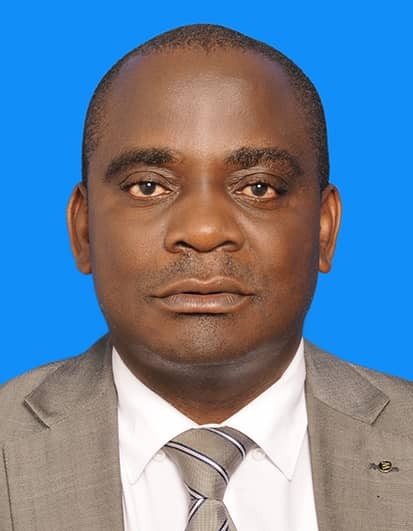
Rashid Mfaume
Director of Health, Social Welfare, and Nutrition Services
Prime Minister’s Office, Regional Administration, and Local Government.
Dr. Rashid Mfaume, is a Public Health specialist with 21 years of experience in Primary Health Care, currently serves as the Director of Health, Social Welfare, and Nutrition Services at the Prime Minister’s Office, Regional Administration, and Local Government. He holds a bachelor’s degree in Doctor of Medicine, a Master of Public Health, and a Master of Business Administration. With 7 years of experience in Regional Health management and 12 years as a District Medical Officer, Dr. Mfaume has a deep understanding of healthcare challenges and solutions at various levels. He is also serving as a Member of Board of Trustees for Medical Stores Department (MSD). Throughout his career, Dr. Mfaume has made significant contributions to public health in Tanzania. He has led successful initiatives in Primary Health Care system Strengthening including Sustainable Health Care Financing. his expertise and leadership have been instrumental in advancing public health in the country
Dr. Rashid Mfaume, is a Public Health specialist with 21 years of experience in Primary Health Care, currently serves as the Director of Health, Social Welfare, and Nutrition Services at the Prime Minister’s Office, Regional Administration, and Local Government. He holds a bachelor’s degree in Doctor of Medicine, a Master of Public Health, and a Master of Business Administration. With 7 years of experience in Regional Health management and 12 years as a District Medical Officer, Dr. Mfaume has a deep understanding of healthcare challenges and solutions at various levels. He is also serving as a Member of Board of Trustees for Medical Stores Department (MSD). Throughout his career, Dr. Mfaume has made significant contributions to public health in Tanzania. He has led successful initiatives in Primary Health Care system Strengthening including Sustainable Health Care Financing. his expertise and leadership have been instrumental in advancing public health in the country

Salum Ally Manyatta
Assistant Director for One Health
Prime Minister's Office
Salum Ally Manyatta is a Tanzanian registered medical doctor with public health specialty with over two decades of experience across local government and regional authorities Currently working as the Assistant Director for One Health at the Prime Minister's Office in Dodoma. He provides strategic leadership on interdisciplinary, multi-sectoral cooperation and spearheads the implementation of the National One Health Strategic Plan and National Action Plan for Health Security to ccoordinates multi-sectoral efforts to tackle complex challenges spanning human, animal, and environmental health. The area of coordination includes; - climate change health threats, emerging and re-emerging health threats, antimicrobial resistance, zoonotic diseases. Food safety threats, biosafety and biosecurity threats and environmental health threats. Before joining the Prime Minister's Office, he served as a District Medical Officer and Regional Medical Officer, where he was responsible for managing public health interventions, maintaining social welfare, and preventing disease outbreaks. Core Responsibilities & Expertise • One Health Coordination: Leads the One Health Section in aligning human, animal (livestock and wildlife), agricultural, and environmental sectors to detect and respond to disease outbreaks. • Public Health Leadership: Utilizes his extensive background from working as Regional Medical Officer and District Medical Officer to manage public health risks and drive National One Health Strategic Plan. • Emergency preparedness and Disease Prevention: Oversees the implementation of frameworks for high-priority zoonotic diseases, emerging and re-emerging health threats, climate change health threats and antimicrobial resistance (AMR) mitigation
Salum Ally Manyatta is a Tanzanian registered medical doctor with public health specialty with over two decades of experience across local government and regional authorities Currently working as the Assistant Director for One Health at the Prime Minister's Office in Dodoma. He provides strategic leadership on interdisciplinary, multi-sectoral cooperation and spearheads the implementation of the National One Health Strategic Plan and National Action Plan for Health Security to ccoordinates multi-sectoral efforts to tackle complex challenges spanning human, animal, and environmental health. The area of coordination includes; - climate change health threats, emerging and re-emerging health threats, antimicrobial resistance, zoonotic diseases. Food safety threats, biosafety and biosecurity threats and environmental health threats. Before joining the Prime Minister's Office, he served as a District Medical Officer and Regional Medical Officer, where he was responsible for managing public health interventions, maintaining social welfare, and preventing disease outbreaks. Core Responsibilities & Expertise • One Health Coordination: Leads the One Health Section in aligning human, animal (livestock and wildlife), agricultural, and environmental sectors to detect and respond to disease outbreaks. • Public Health Leadership: Utilizes his extensive background from working as Regional Medical Officer and District Medical Officer to manage public health risks and drive National One Health Strategic Plan. • Emergency preparedness and Disease Prevention: Oversees the implementation of frameworks for high-priority zoonotic diseases, emerging and re-emerging health threats, climate change health threats and antimicrobial resistance (AMR) mitigation
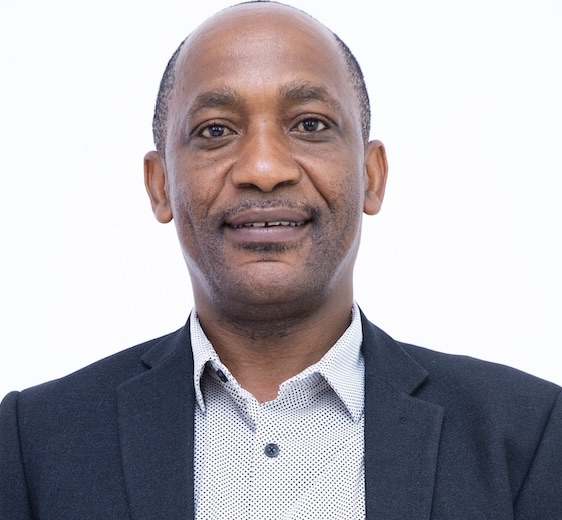
Sayoki Mfinanga
NIMR Chief Research Scientist Fellow, Tanzania
National Institute for Medical Research
Professor Sayoki Godfrey Mfinanga is a clinical trialist, public health specialist and epidemiologist at the National Institute for Medical Research (NIMR) Muhimbili Medical Research Centre, Tanzania, where he serves as Chief Research Scientist fellow. He also holds professorial appointments and affiliations in epidemiology and global health, including with Kampala International University in Tanzania, the Liverpool School of Tropical Medicine, University College London, and the Nelson Mandela African Institution of Science and Technology. His work spans more than 15 years in TB/HIV, advanced HIV disease, non-communicable diseases, zoonoses, vaccine research, clinical trials and implementation research across Africa. He has led and co-led multicentre studies and research capacity-building networks, including EDCTP-supported platforms, RESPOND-Africa, Afrique One ASPIRE/REACH, and the East African Consortium for Clinical Research TB Node. His research has contributed to national and WHO guidelines, including on TB/HIV and cryptococcal disease, and he has authored more than 270 peer-reviewed publications. Prof. Mfinanga is also a committed mentor of MSc, PhD and postdoctoral researchers, with a strong focus on strengthening African scientific leadership and translating evidence into policy and practice.
Professor Sayoki Godfrey Mfinanga is a clinical trialist, public health specialist and epidemiologist at the National Institute for Medical Research (NIMR) Muhimbili Medical Research Centre, Tanzania, where he serves as Chief Research Scientist fellow. He also holds professorial appointments and affiliations in epidemiology and global health, including with Kampala International University in Tanzania, the Liverpool School of Tropical Medicine, University College London, and the Nelson Mandela African Institution of Science and Technology. His work spans more than 15 years in TB/HIV, advanced HIV disease, non-communicable diseases, zoonoses, vaccine research, clinical trials and implementation research across Africa. He has led and co-led multicentre studies and research capacity-building networks, including EDCTP-supported platforms, RESPOND-Africa, Afrique One ASPIRE/REACH, and the East African Consortium for Clinical Research TB Node. His research has contributed to national and WHO guidelines, including on TB/HIV and cryptococcal disease, and he has authored more than 270 peer-reviewed publications. Prof. Mfinanga is also a committed mentor of MSc, PhD and postdoctoral researchers, with a strong focus on strengthening African scientific leadership and translating evidence into policy and practice.
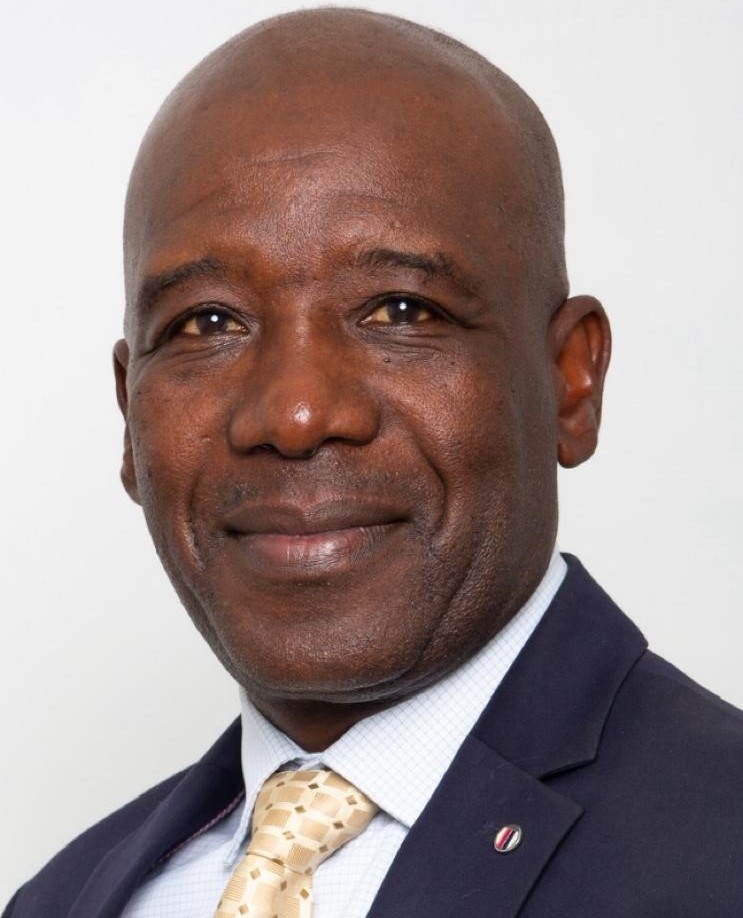
Thomas Nyirenda
Strategic Partnerships & Capacity Development Manager and Head of Africa Office
EDCTP
Thomas Nyirenda MD MPH Hon Prof (Public Health Medicine), is Strategic Partnerships & Capacity Development Manager and Head of Africa Office of the European and Developing Countries Clinical Trials Partnerships (EDCTP). He first trained in Medical Sciences at University of St Andrews (Scotland), then in Medicine and Surgery at St Mary’s Hospital (London) and Kamuzu University of Health Sciences (Malawi), before training in Public Health at London School of Hygiene and Tropical Medicine (London). He has 30+ years’ experience of working in Clinical Medicine Practice, Public Health, Clinical Research and Health Services Management in sub-Saharan Africa. He first worked for Ministry of Health of Malawi then the World Health Organisation before joining the EDCTP in 2004. At EDCTP he has co-managed teams which have managed over 400 clinical research and capacity development projects in last 20 years, some of which have led to new treatments of HIV in children and adults, medicines against malaria in children and pregnant women, vaccines against malaria in children and treatment of other neglected illnesses such as worms infections, childhood bilharzia and sleeping sickness. He has had teaching appointments at University of Witwatersrand (South Africa), and is currently Extraordinary Professor at Stellenbosch University (South Africa) and Hon Professor at University of Pretoria (South Africa). He is one of the founders of a Non-governmental Organisation called Clinical Research Education and Management Services (CREAMS) in Malawi. More about him can be found on the following links: linkedin.com/in/thomas-nyirenda-89600b14 / www.researchgate.net/profile/Thomas-Nyirenda-2 / www.edctp.org/about-us/edctp-secretariat/dr-thomas-nyirenda/.
Thomas Nyirenda MD MPH Hon Prof (Public Health Medicine), is Strategic Partnerships & Capacity Development Manager and Head of Africa Office of the European and Developing Countries Clinical Trials Partnerships (EDCTP). He first trained in Medical Sciences at University of St Andrews (Scotland), then in Medicine and Surgery at St Mary’s Hospital (London) and Kamuzu University of Health Sciences (Malawi), before training in Public Health at London School of Hygiene and Tropical Medicine (London). He has 30+ years’ experience of working in Clinical Medicine Practice, Public Health, Clinical Research and Health Services Management in sub-Saharan Africa. He first worked for Ministry of Health of Malawi then the World Health Organisation before joining the EDCTP in 2004. At EDCTP he has co-managed teams which have managed over 400 clinical research and capacity development projects in last 20 years, some of which have led to new treatments of HIV in children and adults, medicines against malaria in children and pregnant women, vaccines against malaria in children and treatment of other neglected illnesses such as worms infections, childhood bilharzia and sleeping sickness. He has had teaching appointments at University of Witwatersrand (South Africa), and is currently Extraordinary Professor at Stellenbosch University (South Africa) and Hon Professor at University of Pretoria (South Africa). He is one of the founders of a Non-governmental Organisation called Clinical Research Education and Management Services (CREAMS) in Malawi. More about him can be found on the following links: linkedin.com/in/thomas-nyirenda-89600b14 / www.researchgate.net/profile/Thomas-Nyirenda-2 / www.edctp.org/about-us/edctp-secretariat/dr-thomas-nyirenda/.

Tumainiel Macha
Director of Policy, Research and Innovation
Ministry of Health
Over 19 years’ experience working with Government of Tanzania as Principal Economist. Currently I am Assistant Director Policy, Research and Innovation - Ministry of Health, (Head Office). Expertise in; budget preparation, Speech writing, Health Financing, Monitoring & Evaluation, negotiation techniques, Entrepreneurship skills, Project implementations/planning. Holding Master’s in Business Administration -Cooperate Management, and Bachelor of Science Economics - Project Planning and Management
Over 19 years’ experience working with Government of Tanzania as Principal Economist. Currently I am Assistant Director Policy, Research and Innovation - Ministry of Health, (Head Office). Expertise in; budget preparation, Speech writing, Health Financing, Monitoring & Evaluation, negotiation techniques, Entrepreneurship skills, Project implementations/planning. Holding Master’s in Business Administration -Cooperate Management, and Bachelor of Science Economics - Project Planning and Management
Vida Mmbaga
Medical Doctor with Public Health and Epidemiology
Ministry of Health
Dr. Vida Mmbaga is a Medical Doctor with Public Health and Epidemiology speciality currently working with the Ministry of Health in Tanzania as Assistant Director for the Epidemiology and Disease Surveillance and Control section. She is also the National IHR 2005 Focal Point (NFP) and the Program Director for the Field Epidemiology and Laboratory Training Program (FELTP). Her main area of speciality is Epidemiological Surveillance, Preparedness and Response to Public Health Emergencies. She is responsible for the coordination, preparedness for against global public health threats, supervision, monitoring, and evaluation of the surveillance activities whereby she has gained a lot of experiences in prevention and control for communicable and noncommunicable diseases, including field epidemiology and integrated disease surveillance and response; management in global public health and health systems strengthening. With over 15 years of experience, Dr Mmbaga has led healthcare delivery and public health programmes in epidemiology and disease intelligence at sub-national, national and within African region whereby she coordinates formulation and development of various infectious disease specific preparedness and response plans. She has spearheaded several initiatives that include resource mobilization for various disease programs, coordination of the international cross border collaborative preparedness and response activities including joint outbreak investigations, After Action Reviews and simulation exercises under regional collaborations with various partners. Additionally, she is coordinating the implementation of International Health Regulations (2005) to build the IHR core capacities and the development of the National Action Plan for Health Security for the prevention, detection and response to public health threats. She is the head of surveillance pillar under the National Task force for the control of Public Health emergences. Under this role, she took lead in the successful control of a number of major outbreaks occurred in the country including COVID 19, Marburg Virus Disease in Kagera 2023 and in 2025 where she played a key role of deputy chief of operation.
Dr. Vida Mmbaga is a Medical Doctor with Public Health and Epidemiology speciality currently working with the Ministry of Health in Tanzania as Assistant Director for the Epidemiology and Disease Surveillance and Control section. She is also the National IHR 2005 Focal Point (NFP) and the Program Director for the Field Epidemiology and Laboratory Training Program (FELTP). Her main area of speciality is Epidemiological Surveillance, Preparedness and Response to Public Health Emergencies. She is responsible for the coordination, preparedness for against global public health threats, supervision, monitoring, and evaluation of the surveillance activities whereby she has gained a lot of experiences in prevention and control for communicable and noncommunicable diseases, including field epidemiology and integrated disease surveillance and response; management in global public health and health systems strengthening. With over 15 years of experience, Dr Mmbaga has led healthcare delivery and public health programmes in epidemiology and disease intelligence at sub-national, national and within African region whereby she coordinates formulation and development of various infectious disease specific preparedness and response plans. She has spearheaded several initiatives that include resource mobilization for various disease programs, coordination of the international cross border collaborative preparedness and response activities including joint outbreak investigations, After Action Reviews and simulation exercises under regional collaborations with various partners. Additionally, she is coordinating the implementation of International Health Regulations (2005) to build the IHR core capacities and the development of the National Action Plan for Health Security for the prevention, detection and response to public health threats. She is the head of surveillance pillar under the National Task force for the control of Public Health emergences. Under this role, she took lead in the successful control of a number of major outbreaks occurred in the country including COVID 19, Marburg Virus Disease in Kagera 2023 and in 2025 where she played a key role of deputy chief of operation.
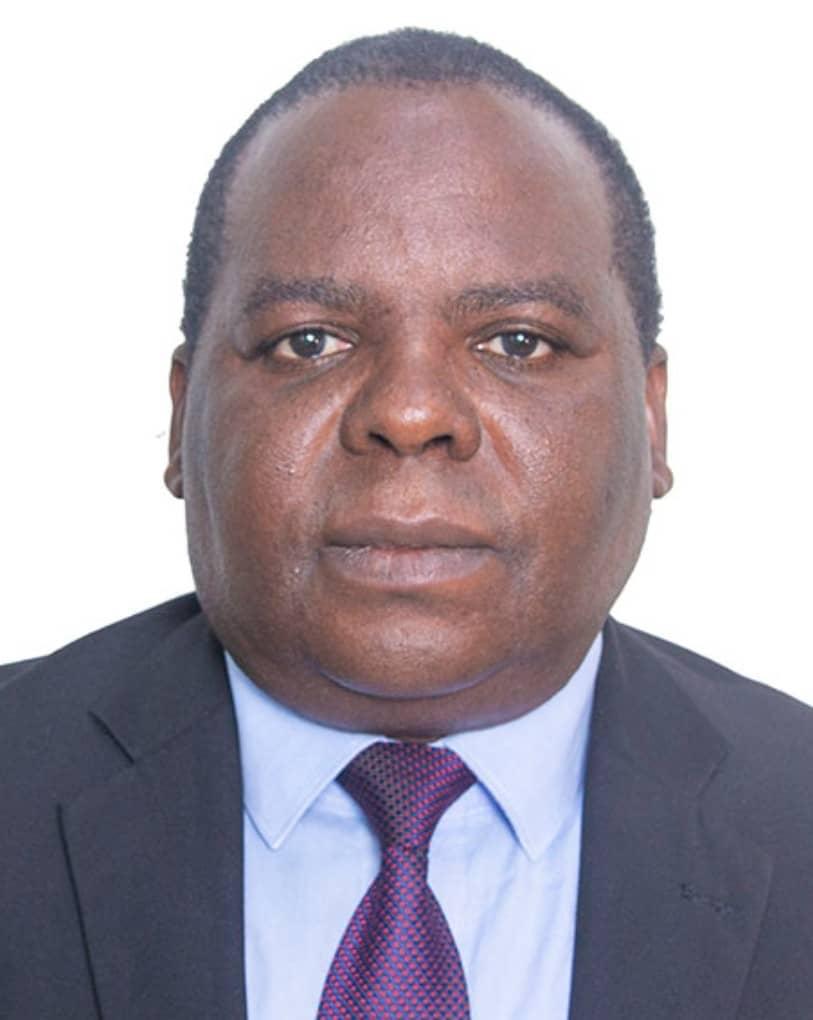
Mursali A. Milanzi
Deputy Executive Secretary
National Planning National Planning Commission
Dr. Mursali A. Milanzi is the Deputy Executive Secretary for National Planning at the National Planning Commission, where he plays a leading role in shaping and coordinating Tanzania’s long-term development agenda, including the implementation of Tanzania Development Vision 2050. An experienced development planner and economist, he previously served as Commissioner for National Planning and has held senior academic and policy leadership positions. His work focuses on national development planning, economic transformation, public-private partnerships, human capital development, and aligning sectoral priorities with Tanzania’s long-term growth and prosperity goals.
Dr. Mursali A. Milanzi is the Deputy Executive Secretary for National Planning at the National Planning Commission, where he plays a leading role in shaping and coordinating Tanzania’s long-term development agenda, including the implementation of Tanzania Development Vision 2050. An experienced development planner and economist, he previously served as Commissioner for National Planning and has held senior academic and policy leadership positions. His work focuses on national development planning, economic transformation, public-private partnerships, human capital development, and aligning sectoral priorities with Tanzania’s long-term growth and prosperity goals.
Research Presenters
David Machaku
Department of Behavioural Science and Bioethics, Rabininsia University, P.O. Box 67497, Bagamoyo Road, Dar es Salaam, Tanzania.
Dr. Phillip Joseph Mugeta
St. Joseph Regional Referral Hospital, Soweto-Moshi, Tanzania
Dr. Majani Edward
MacWish College of Health and Allied Sciences
NDAKIBAE GABRIEL MABEGA
NATIONAL INSTITUTE FOR MEDICAL RESEARCH
Ezekiel Leuna
Muhimbili national hospital
Dr. Shedrack Festo Bwatota
Tanzania Organization for Livelihood and Environmental Health
Mohamed Mohamed
Ifakara Health Institute
SHANI KONDO OMARI
TANZANIA INCLUSION AND DISABILITY FOUNDATION (theTIDF)
Kasim
Ifakara Health Institute
JOSEPH WILLIAM KASEKA
NATIONAL INSTITUTE FOR MEDICAL RESEARCH. TANZANIA
Ms. Miriam Asenga
Arusha Technical College
Noely atilyo mwangamila
MWENGE CATHOLIC UNIVERSITY
DR. Amina Yusuf Kanyama (Presenter)
University of Dar es Salaam (Educational Psychology and Curriculum Studies), Dar es Salaam, Tanzania
Mr. BARIKI SALUM JUMA
Zanzibar Health Research Institute (ZAHRI)
Joseph Jacob
National Institute For Medical Research Tanga Centre
Nyawawa Nassor Wawa
Muhimbili University of Health and Allied Sciences
George O. Ogweno
National Institute for Medical Research (NIMR), Isamilo Street, P.O. Box11936, Mwanza, Tanzania, Department of Parasitology and Microbiology, Kilimanjaro Christian Medical University (KCMCU), Moshi Tanzania
Dr. Anzibert Andrew Rugakingira, MD, MPH, MSc.
Ministry of Health, Directorate of Policy and Planning
Dr Angelina M Lutambi
National Institute for Medical Research
Mr. Mayebe Tubeti
National Institute for Medical Research, Mwanza, Tanzania
Dr Adam Kilungu
Mbeya Zonal Referral Hospital
Dr. Abigail Masi
Public Health Institute of Malawi
AMBOKILE ASTON MINGA
KAIRUKI UNIVERSITY
Mr. Eustadius Kamugisha Felician
Bukoba Regional Referral Hospital
Fr Raymond Athanas
Muhimbili University of Health and Allied Sciences
Mr. Godlove Thomas Chaula (Presenter)
NIMR- Mbeya Medical Research Center
Dr Kijakazi Mashoto
National Institute for Medical Research
Memory Modest Njakile: M.A. SOCIOLOGY
University of Dar es Salaam
Dr Kenneth Byashalira
Kibong'oto Infectious Diseases Hospital
DR GLADYS YONAH
MUHIMBILI UNIVERSITY OF HEALTH AND ALLIED SCIENCES
Timon Stephen Emaely
KCMC UNIVERSITY
Dr. Safari Kinung'hi
National Institute for Medical Research (NIMR), Mwanza Centre, Mwanza, Tanzania
Moses Mruthu
Datty dispensary
Ms. Mwanaidi Omary
National Institute for Medical Research
Dr. Imaculate Mwankusye
TUMBI REGIONAL REFERRAL HOSPITAL
Dr. Stella P. Kilima
National Institute for Medical Research, P.O.Box 9653, Dar es Salaam, Tanzania
Dr. Themistocles Nyeme
Tumbi Regional Referral Hospital, Pwani, Tanzania
Shadrack Mayaga Luhunga
kiut
Dr. Vivian Philemon Mushi
Muhimbili University of Health and Allied Sciences
Ms. Roza Charles Ndaro
National Institute for Medical Research, Mwanza Tanzania
Mr. Adamu Gaston Philipo
Department of Electronics and Telecommunications Engineering, Dar es Salaam Institute of Technology, P.O. Box 2958, Dar es Salaam, Tanzania
Mr. Valence kazaward
Patandi teachers' college of special needs education
Dr. Basiliana Emidi
National Institute for Medical Research Tanzania
Marco Missanga
National Institute for Medical Research-Mbeya Medical Research Center, Mbeya, Tanzania
Mr. Emmanuel Makundi
1. National Institute for Medical Research (NIMR),- Muhimbili Centre, Dar es Salaam, Tanzania
Mr.DAMIAN RUHINDA
KILIMANJARO CHRISTIAN MEDICAL UNIVERSITY
Mr. Killian Mlalama
National Institute of Medical Research, Mbeya Medical Research Center, Tanzania
Prof. Jeremiah Seni
Catholic University of Health and Allied Sciences & Bugando Medical Centre
Mr. Musa Jackson Lunyonga (PhD Candidate)
Americares Foundation Tanzania
Hamenyimana E. Gervas
Nelson Mandela African Institution of Science and Technology & Ifakara Health Institute
Mr. Edward Msoma
National Institute for Medical Research
Dr. Obadia K. Bishoge
National Institute for Medical Research
Ernest Mazigo
National Institute for Medical Research
Dr. Lembris Laanyuni Njotto
University of Dar es Salaam & College of Business Education Dar es Salaam
Dr. Veneranda M. Bwana
National Institute for Medical Research, Amani Medical Research Centre, Muheza, Tanzania
Innocent J. Lugendo
University of Dar es Salaam
Mr. GODLISTEN SHEDRSCK MATERU
NIMR
Mr. Daniel P. Challe
National Institute for Medical Research, Tanga Research Centre, Tanga, Tanzania
Steven Mnyawonga
National Institute for Medical Research
Mr. Samwel Saringe Mollel
The Benjamin Mkapa Hospital
Jacqueline Benedict Mgassa, BSc, MPH
Health Promotion Section, Ministry of Health, Dodoma, Tanzania
Dr. Jawaher Soud Rashid
Kairuki University (Department of Psychiatry and Behavioral Sciences, Kairuki University, Dar es salaam, Tanzania)
Ms. Anna Lucas Mpanyakavili
Sokoine University of Agriculture
Dr. Charles Kafaiya
National Institute for Medical Research
Dr. Peter Ernest Mangesho
National Institute for Medical Research, Amani Medical Research Centre, Muheza, Tanzania
Mr Athanas Dustan Mhina
National Institute for Medical Research
Mr. Mohammed Ibrahim Bakari
National Institute for Medical Research
Dr Elisamia Ngowi
Aga Khan University, Tanzania
SAUL KALIVUBHA
NATIONAL INSITUTE FOR MEDICAL RESEARCH,MBEYA CENTRE
Dr. Hillary Sebukoto
National Institute for Medical Research
Mr.Paul Martine Hayuma
National Institute for Medical Research, Tanga Research Centre
Dr. Omary Mwangaza[0787130283] main author, a clinical service coordinator
KINONDONI MUNICIPAL COUNCIL DAR ES SALAAM
Dr Rose Justus Masalu
University of Dar es Salaam
Dr. Kunda John Stephen
National Institute for Medical Research
Lazaro Amon Solomon Haule (Presenting Author)
Muhimbili University of Health and Allied Sciences
Dr Mussa K. Nsanya
1 Mwanza Intervention Trials Unit / National Institute for Medical Research (MITU/NIMR), Mwanza – Tanzania
Mr. Emanuel Sichone (Presenter)
NIMR-Mbeya
Dr. Grace Ruselu
Weill Cornell Medicine – Center for Global Health, New York, USA; and Catholic University of Health and Allied Sciences, Mwanza, Tanzania
Dr. Lawal Kayode Olatunji
Department of Pharmacology and Therapeutics, College of Health Sciences, Abdullahi Fodiyo University of Science and Technology, Aleiro, 863104, Kebbi State, Nigeria
Emmanuel Kimaro
Catholic University of Health and Allied Sciences
Mr. Karimu Saidi Makokola
National Institute for Medical research
Ms. Yasinta Daniel Sylivester
National Institute for Medical Research, Mwanza Centre, Tanzania
Enock Magoke Ndaki
National Institute for Medical Research (NIMR)
Dr Lucy Elauteri Mrema
National Institute for Medical Research - Mbeya Centre, Tanzania
Dr. Teckla Angelo
Nelson Mandela African Institution of Science and Technology, Arusha, Tanzania
Mr. Baraka Malaki Morris
Muhimbili University of Health and Allied Sciences (MUHAS)
Dr Erica Samson Sanga
National Institute for Medical Research- Mwanza Centre- Tanzania
Dr. Avelina Mgasa
National Blood Transfusion Service
Dr. Victor P. Mhezi
Department of Radiology and Imaging, Songea Regional Referral Hospital, Ruvuma, Tanzania.
Peter Ambrose Mashaka - Principal Occupational Therapist (Clinical Instructor)
Kilimanjaro Christian Medical Centre.
Ms Yolanda J. Mbatia
NIMR
Dr. Edna Kibango
Muhimbili University of Health and Allied Science
Mr Emmanuel Makundi
National Institute for Medical Research., NIMR Dar es Salaam
Dr Rukhsar Osman
Aga Khan University Medical College East Africa, Dar Es Salaam
A/ Prof. Kahabi Ganka Isangula
Aga Khan University
Dr. Susan A. Kelly
London School of Hygiene and Tropical Medicine / Mwanza Intervention Trials Unit - NIMR-Mwanza Centre
Dr.Meshack Morice
Kairuki University
Mrs. Zahra Murtaza Waliji
MUHIMBILI UNIVERSITY OF HEALTH AND ALLIED SCIENCES
Kim Madundo
KCMC University
Judith Msovela
National Institute for Medical Research (NIMR), P.O. Box 9653, Dar es Salaam, Tanzania
Mr. Lwitiho Edwin Sudi
NIMR-Mbeya Medical Research Center
MS Lonze Ndelwa
National Institute of Medical research
Mr. Henry H. Mlenzi
ARIS SuperFoods
SIAH STEPHEN TESHA
KILIMANJARO CHRISTIAN MEDICAL CENTER
Catherine Bunga
COCODA Tanzania
Dr Akili Kalinga
National Institute for Medical for Medical Research
Mr. Donati Malibwa
Mwanza Intervention Trials Unit, National Institute for Medical Research, Mwanza Centre
Mr. Dady M. Helefu
National Institute for Medical Research (NIMR)-Tanga Centre, Tanga, Tanzania.
Dr. Mwanaidi Yahya Kafuye
National Institute for Medical Research
Alice Shoo
National Institute for Medical Research -Mbeya Medical Research Center
ZAM ZAM JUMA PANDU
ZANZIBAR MALARIA ELIMINATION PROGRAM (ZAMEP)
CAROLINE ALPHONCE MASSAGA
NELSON MANDELA AFRICAN INSTITUTE OF SCIENCE AND TECHNOLOGY
Dr. Zahra Morawej
Kairuki University
Christina Myalla
Ifakara Health Conference (IHI), Malaria Atlas Project (MAP)
Mr Martin Zuakulu
NIMR-Mwanza
Mr. Alex Joseph Mujuni
Nelson Mandela African Institution of Science and Technology & University of Dar es Salaam
Tattyann Chum
Kairuki university
Edgar Pallangyo
Nyang'hwale DC
Mr. Elia Magwaja
University of Dar es Salaam
Fatuma Said Msafiri, MD
Kampala International University In Tanzania
Dr Neema Balige
Muhimbili University of Health and Allied Sciences
Mr. Deogratias M. Katabalo
Catholic University of Health and Allied Sciences
Dr. Daniel Mapamba
National Institute for Medical Research
Dr. Martha Magili
KCMC University
Prof. Esther Stanslaus Ngadaya
National Institute for Medical Research
Anifrid Mahenge
University of the Witwatersrand, Jphannesburg, South Africa; National Institute for Medical Research- Mbeya Center,Tanzania
Mr. Gerald Phares Mwing'a
National Institute for Medical Research (NIMR) - Tanzania
Mr Paschal Qwaray
NIMR
Ms. Kija Nyalali
National Institute for Medical Research, Mwanza, Tanzania
Dr. Thomas F. Marandu
University of Dar es Salaam-Mbeya College of Health and Allied Sciences
Ms.Everlight Joseph
Kilimanjaro Christian Medical Centre, Kilimanjaro- Tanzania
Mr. Simoni Twaha Mnzava
1. Environmental Health and Ecological Sciences Department, Ifakara Health Institute, P.O. Box 53, Ifakara, Tanzania
Dr Omar Hassan
Ifakara Health institute
Dr. Angela Paul Gwakisa
IFAKARA HEALTH INSTITUTE
Dr. Aina-ekisha Kahatano
Ifakara Health Institute
Ms. Sarah Leonard
Ifakara Health Institute
Crispin Mukerebe
National Institute for Medical Research/University of Dar es Salaam
Ms Happiness J. Kimaro, Oncology Nurse and PhD Candidate
KCMC University
Dr Kisse Kamwela
KCMC University and African Academy for Public Health (AAPH)
Mr. Daniel Nyato
Real Transformation Initiative (RTI), Tanzania & Queen Mary University of London
Dr. Mercy Chiduo
National Institute for Medical Research
Ms. Pendo Magili
National Institute for Medical Research, Tanga Medical Research Centre, Tanga, Tanzania
Dr Fabian Mashauri
East African Health Research Commission
Kenneth Mwakalinga
National Institute for Medical Research
Dr Sweetness Laizer
Kilimanjaro Clinical Research Institute
Augustine Muisyo Musyoka
Kilimanjaro Christian Medical Center / KCMC University / KCRI
Yasini Kokoda
Ifakara Health Institute
Stephen P. Mwangungulu
Department of Environmental Health and Ecological Sciences, Ifakara Health Institute, P.O. Box 78373, Dar es Salaam, Tanzania
Daudi Maigah
University of Dodoma
Daniel Josiah Nyato
Queen Mary University of London & Real Transformation Initiative (RTI), Tanzania
Masudi Suleiman Maasayi
Ifakara Health Institute
Dr. Jouce Wamoyi
National Institute for Medical Research, Mwanza
Dr. Joyce Wamoyi
National Institute for Medical Research, Mwanza
Daniel Nyato
Real Transformation Initiative (RTI), Tanzania
Latipha Mohamed
Ifakara Health Institute
Dr. sara munir
Punjab University college of Pharmacy,university of the Punjab,lahore
Stacy Mshana
Real Transformation Initiative - Tanzania
Ms. Janeth Joseph Nandrie
National Institute for Medical Research
Willyhelmina Olomi
National Institute for Medical Research
Dr. Anna Mosses
National institute for Medical Research
Nyamizi J. Ngassa
Tanzania Food and Nutrition Centre (TFNC)
Mrs. Nyamizi J. Ngassa
Tanzania Food and Nutrition Centre (TFNC)
Dr. Asteria Karungi Nyongoli
KCMC University
Fileuka Cyprian Ngakongwa
Muhimbili University of health and allied sciences
Abisai Michael Kisinda
National Institute for Medical Research
Dr. Matrona Kabyemela
University of Dar es Salaam
Yahya Derua
National Institute for Medical Research, Amani Research Centre
Ms Miriam Posein
Real Transformation Initiative Tanzania
Sia E Malekia
National Institute for Medical Research (NIMR)
Ms. Nsiande Urasa
Ifakara Health Institute
Dr Bruno Mmbando
National Institute for Medical Research, Tanga Centre, Tanga, Tanzania
Neema Benedict Kulaya
KCMC UNIVERSITY
Dr. Rosemary Chipa
IFAKARA HEALTH INSTITUTE
Mathew Orest Leloo
Sokoine university of agriculture
Prof Maseke Mgabo, P.O.BOX138, Ddodoma -Tanzania , Email;mmgabo@irdp.ac.tz
The Institute of Rural Development Planning
JANETH KIWIA
KILIMANJARO CHRISTIAN RESEARCH INSTITUTE
Mr. Jonathan Mnkai
NIMR, MBEYA
Bilali Kabula
National Institute for Medical Research, Amani Research Centre, Muheza, Tanzania
Ms. Salma Saleh Mussa
Kenyatta University
Dr George Mtove
National Institute for Medical Research
Letus Laurian Muyaga (Msc, PhD Student)
IFAKARA HEALTH INSTITUTE
Miri Mcharo
1NIMR-Mbeya Medical Research Centre, Mbeya-Tanzania
Ms. Rose Victor Msaki
Tanzania Food and Nutrition Centre
Dr. Bazil Baltazar Kavishe
Mwanza Medical Research Center, National Institute for Medical Research, Mwanza, Tanzania
CLEMENT MWAKABENGA
NIMR-MBEYA MEDICAL RESEARCH CENTER
MICHAEL BRAYSON FESTO
CARDINAL RUGAMBWA HOSPITAL
Melkizedeki Abdulahi
Muhimbili University of Health and Allied Sciences
Misago D. Seth
National Institute for Medical Research
Stellah G. Mpagama, MD, MSc, PhD
Kibong'oto Infectious Diseases Hospital
Alfredi A. Moyo
Mabibo Traditional Medicine Research Centre, National Institute for Medical Research (NIMR)
Dr. Eliakimu Paul Kapyolo
National Institute for Medical Research, Mwanza Medical Research Centre
Dr. Suleyman Samiji
Kairuki University
Dr Flavian Jacob Rweyungura
Muhimbili university of Health and Allied sciences
Dr Patrick Tungu
National Institute for Medical Research
Furahini Mbise
National Institute for Medical Research, Muhimbili Center
Dr. Victor Mwingira
National Institute for Medical Research
DR. ELIUD KAMALA NDYAMUKAMA , Md, Mmed ( Internal medicine), PhD felow,
CATHOLIC UNIVERSITY OF HEALTH AND ALLIED SCIENCES
Dr. Phibi Ongujo
KCMC University
Ms.Monica Chipungahelo
Tanzania Food and Nutrition Centre
Ms. Renatha Akili Kalinga
National Institute for Medical Research (NIMR)-Tanga Centre, Tanga, Tanzania.
LILIAN PETER NJOVU
NATIONAL INSTITUTE FOR MEDICIAL RESEARCH -MBEYA CENTER
Reginald Gervas
HJF Medical Research International, Mbeya, Tanzania
Fredy Mlowe (Presenting author)
Sokoine University of Agriculture, Department of Veterinary Medicine and Public Health, Morogoro, Tanzania
John Njegite
Henry Jackson Foundation Medical Research International
JACKLINA MHIDZE
NATIONAL INSTITUTE FOR MEDICAL RESEARCH-MBEYA CENTRE
Elizabeth Msoka
Kilimanjaro Clinical Research Institute; Kilimanjaro Christian Medical Centre; KCMC University
Zakia K Mgaya*
1Training and Capacity Building Unit, Ifakara Health Institute, P.O. Box 74, Bagamoyo, Tanzania 2School of Life Sciences and Bioengineering (LiSBE), The Nelson Mandela African Institution of Science and Technology (NM-AIST), P.O. Box 447, Arusha, Tanzania
Dr Peter Binyaruka
Ifakara Health Institute (IHI), Dar es Salaam, Tanzania
Nyanda C. Justine
Catholic University of Health and Allied Sciences
Mr. John Maiba
Ifakara Health Institute_ Department of Health System, Impact Evaluation & Policy
Rashid Ally Madebe
National Institute for Medical Research, Dar es Salaam, Tanzania
Dr. Misago D. Seth
National Institute for Medical Research, Dar es Salaam, Tanzaniaa
Dr.Yahaya Simba
Ifakara Health Institute
Dr. Alexander Ngatuni
Remote Care Research Organization
Kisa Hezron Kapaga
KCMC University
Mr. Rule Budodo
Ifakara Health Institute
Ms. Siriel Boniface Mbise
National Institute for Medical Research-Mbeya
Ms. Dativa Pereus
Ifakara Health Institute, Dar es Salaam, Tanzania, University of Nairobi, Nairobi, Kenya, Muhimbili University of Health and Allied Sciences, Dar es Salaam, Tanzania and National Institute for Medical Research, Dar es Salaam, Tanzania
Dr. Beatrice Njeri Maina
Muhimbili University of Health and Allied Sciences
Nura Mnaro
Muhimbili University of Health and Allied Sciences and Tanzania Field Epidemiology and Laboratory Training Program
Dr. Magreth Angelus
Shree Hindu Mandal Research and Training
Theresia Mtui
NIMR, Tanzania
Dr Doreen Philbert MD, MSc, PhDc
Muhimbili University of Health and Allied Sciences
Mr. Mbaraka John Remiji
Ifakara Health Institute, Department of Environmental Health and Ecological Sciences, Dar es Salaam, Tanzania
Mr. Yohana Mwalugelo
Ifakara Health Institute
Joyce Richard Mbwana
National Institute for Medical Research (NIMR)
Dr. Sokoine Kivuyo
Muhimbili Medical Research Centre, National Institute for Medical Research, Dar es salaam, Tanzania
Mr.Rashid A. Madebe
National Institute for Medical Research, Dar es Salaam, Tanzania
Neema Lucas
Muhimbili University of Health and Allied sciences
Ms. Laurencia Saidy Tangawizi
IFAKARA HEALTH INSTITUTE
Dr Oscar Ottoman
Catholic University of Health and Allied Science(CUHAS-BUGANDO)
Dr. Dan Bhwana
Amref Health Africa, Tanzania Epilepsy Association & National Institute for Medical Research
George PrayGod
National Institute for Medical Research (NIMR), Tanzania
Dr. Emmanuel Munanka
Muhimbili University of Health and Allied Sciences
Melkisedeck lolakeha Majaha
National Institute for Medical Research
Dr Fatuma Manzi, PhD
Ifakara Health Institute and Applied Health Analytics Organization
Dr. Edwin Liheluka
National Institute for Medical Research
DR. CLARA LUBINZA
NATIONAL INSTITUTE FOR MEDICAL RESEARCH
Juma Tupa
National Institute for Medical Research
Miza S. Vuai1
KCMC University, Moshi, Tanzania
Mr.Idrisa Mchola
Ifakara Health Institute
Bahati Libenanga
Muhimbili University of Health and Allied Sciences
Mwajuma Rashid Chemba
Ifakara Health Institute
Mr. Jonathan Msafiri
Muhimbili University of Health and Allied Science (MUHAS)
Mr. Dick Simon Msuha
National Institute for Medical Research, Tanga centre
Ms. Pendo Faustine
National Institute for Medical Research, Tanga Centre
Leopardo Alvalius Ngetwa
Muhimbili Unversity of Health and Allied Science
Dr. Joseph Nkungugu
Oncology and Nuclear Medicine Department TheBenjamin Mkapa Hospital - Tanzania
Jacquline Mutta
Mzumbe University
Mr. Regino Mgaya
National Institute for Medical Research, Mbeya Medical Research Center
Dr. Monga Nyalla
Muhimbili University of Health and Allied Sciences
Hellen Honest
Muhimbili University of Health and Allied Sciences
Johnson Jeremia Mshiu
National Institute for Medical Research
Ms. CALISTER PETER IMEDA
NATIONAL INSTITUTE FOR MEDICAL RESEARCH
Martha Oshosen
KCMC University
Dr Muzzna Ujudi Mchavu
MUHAS/FELTP/MoH
Peter Mabenga
National Institute for Medical Research, Amani Medical Research Centre, Tanzania.
Pinda Polius
Ifakara Health Institute & Wageningen University & Research
Dr. Frijenia Gaspary Sumbai
Kilimanjaro Clinical Research Institute
Ms Isolide Sylvester Massawe
National Institute for Medical Research, Tanga, Tanzania
Ms. Renatha Kato
National Institute for Medical Research (NIMR), Tanzania
Daniel Elifuraha Materu MPH
Muhimbili University of Health and Allied Science
Adelina Alfred Pesha
Kibong'oto Infectious Diseases Hospital
Ng'wamba Sitta Ngissa
National Institute for Medical Research- Mwanza Centre
Ms. Wilfrida Paul Roman
School of Life Sciences and Bioengineering, The Nelson Mandela African Institution of Science and Technology, P. O. Box 447, Arusha, Tanzania
Dr Samwel Jackson Nyanda
Benjamin Mkapa hospital
Gibson B. Kagaruki
National Institute for Medical Research (NIMR) - Tanzania
Angela E Shija
National Institute for Medical Research/ Univesity of Free State
Dr Charles E. Makasi
National Institute for Medical Research/UDSM-Mbeya College of Health and Allied Sciences
ADELINA ALFRED PESHA
Kibong'oto Infectious Diseases Hospital
Dr. Maryyusta Peter Nguyamu
National Institute for Medical Research
Mr. Baraka Moshi
KILIMANJARO CLINICAL RESEARCH INSTITUTE (KCRI)
Mr Abel Mdemu
National Institute For Medical Research
Mr. Mohamed Seif Mohamed
National Institute for Medical Research (NIMR)
Ms. Jidda Ally
The Nelson Mandela African Institution of Science and Technology (NM-AIST), Arusha, Tanzania,Ifakara Health Institute (IHI),Bagamoyo,Tanzania.
Gladys Mbwanji
Mwanza Intervention Trials Unit
Dr. Evangelista Malindisa
Catholic University of Health and Allied Sciences
Muanuzi James Mutabuzi
Ifakara Health Institute
Pendael Machafuko
National Institute for Medical Research
Dr. Nyabasi Makori
Tanzania Food and Nutrition Centre
Dr. Peter M. Mbelele
Kibong’oto Infectious Diseases Hospital, Kilimanjaro, Tanzania
MIRIAM GERD PUSCHEL
KCMC UNIVERSITY
Mr. RAPHAEL EDOM
National institute for medical research-Mbeya Center
Dr. Angelina M. Lutambi
National Institute for Medical Research
Vitus Silago
Catholic University of Health and Allied Sciences
Vito Baraka
NIMR , Tanga Centre, Hospital Street, 5004
Yusufu Kionga
Vrije Universiteit Amsterdam, Amsterdam & Kibong'oto Infectious Diseases Hospital
Athanas Dustan Mhina
National Institute for Medical Research
Dr Filbert Francis Temba
National Institute for Medical Research Tanzania
Mr. Andrew Sieben
Emory University
Dr Daniel TR. Minja
National Institute for Medical Research, Tanga Centre, Tanzania
Mr. Emmanuel Kimonge
Muhimbili University of Health and Allied Sciences
Elizabeth John Lyimo
Tanzania Food and Nutrition Center
Agnes Mpinga
Department of Veterinary Medicine and Public Health, Sokoine University of Agriculture
Dr. Felista W. Mwingira
University of Dar Es Salaam, Dar es Salaam University College of Education, Biological Sciences Department
Dr. Idu Meadows
Division of Infectious Diseases and International Health, University of Virginia, Charlottesville, USA.
Herieth Mboya,MD
Ifakara Health Institute
Dr. Juma Kisunge
National Institute for Medical Research, Dodoma, Tanzania
Ms Happyness Kunzi
National Institute for Medical Research
Dr Bwire Wilson Bwire
University of Dar es Salaam
Brenda Kitilya
National Institute for Medical Research- Mwanza Centre
Dr. Emanuel Peter
National Institute for Medical Research
Mussa Kabele
Plan International, Tanzania
Dr Bariki Mtafya
National Institute for Medical Research (NIMR)-Mbeya Medical Research Centre
Mercy A. Isangya
National Institute for Medical Research, Amani Hill Research Station
Robert Mussa Njee
National Institute for Medical Research
Winifrida P. Mponzi
Environmental Health and Ecological Sciences Department, Ifakara Health Institute, Ifakara, Tanzania and University of the Witwatersrand, Faculty of Health Sciences, South Africa
Dr. Felista Mwingira
University of Dar Es Salaam, Dar Es Salaam University College of Education, Biological Sciences Department
Frank Chacky
Ministry of Health/National Malaria Control Programme
Doreen Pamba
National Institute for Medical Research
Crecencia Chiombola
Catholic University of Health and Allied Sciences
Dr. Anna Chongolo
NIMR-MBEYA
Martha Ndaikeje
Ifakara Health Institute
Dr Paul Shimba
National Tuberculosis and Leprosy Program
Ombeni Eliud Chimbe
National Institute for Medical Research, Mbeya Medical Research-Centre, Mbeya-Tanzania
Togolani Maya
KCMC University
Dr. Beda John Mwang'onde
Department of Biosciences, Sokoine University of Agriculture
Nicolaus Paul Gutapaka
Ifakara Health Institute
DR. ABOKER ALI SALEH
UNIVERSITY OF NAMIBIA
Dr Godfrey M Mubyazi
National Institute for Medical Research
Mr. Sylvester Simando
Ifakara Health Institute
Ms. Gloria Nyaulingo
Ifakara Health Institute
Winfrida John
National institute for Medical Research
Anaelderrick Frederick Kimaro
KCMC University
Abdallah Ngenya
NIMR
Dr. Doreen Msemakweli
KCMC University
Ms. Beatrice Tingo (BSc. MSc candidate)
KCMC University, School of Public Health, Department of Epidemiology and Applied Biostatistics, P.O Box 2240, Moshi, Kilimanjaro, Tanzania
Prof Samson Kiware
Environmental Health and Ecological Sciences Department, Ifakara Health Institute, Dar es Salaam, Tanzania
Prof. Jaeyul Kwon
Department of Medical Science, College of Medicine, CNU; BK 21 FOUR Project for Medical Science, CNU; Translational Immunology Institute, CNU